Skip to main content

© 2026 Alpha Roadside Services and Battery. All rights reserved.
Powered by Dolooma
© 2026 Alpha Roadside Services and Battery. All rights reserved.
Powered by Dolooma
Alpha Roadside provides complete battery roadside assistance in Austin—from emergency jump starts to professional mobile battery replacement. Our mobile battery replacement service brings Interstate Batteries directly to your location anywhere in the Austin metro area for fast, convenient on-site installation.
Your car battery has picked the worst possible time to die. You're sitting in the Lakeline Mall parking lot in Cedar Park, late for dinner reservations downtown, and your engine won't even turn over when you twist the key. Or maybe you walked out to your driveway in Round Rock this morning, tried to start your Silverado for your commute to work, and got nothing but a clicking sound. Perhaps your Honda died in the Target parking lot on Ben White Boulevard in South Austin, and now your groceries are getting warm while you frantically search for jumper cables. This is exactly the kind of situation Alpha Roadside Services and Battery was built to solve. We're not a traditional auto repair shop that requires you to have your vehicle towed in and wait hours or days for service. We're a mobile battery replacement specialist that brings brand-new Interstate Batteries directly to your exact location anywhere in the Austin metro area and installs them on-site while you wait. No towing fees. No waiting rooms. No rental cars. No wasted afternoons sitting at a dealership service department. From the parking lot at the Domain in North Austin to a residential street in Buda, from the employee parking garage at a downtown office tower to the shoulder of Highway 183 near the airport, we come to you with everything needed to diagnose your battery issue and install a replacement if needed. Our service vans are fully stocked mobile workshops carrying a comprehensive inventory of Interstate Batteries for virtually every make and model on Austin roads — domestic trucks, Japanese sedans, European luxury cars, Korean SUVs, diesel pickups, hybrids, motorcycles, and more. We also carry professional-grade diagnostic equipment that tests not just your battery but your entire charging system, so we can identify the real problem before recommending a solution. Many battery failures are actually caused by alternator problems, and we test for that specifically. If your battery tests good and just needs a recharge because you left your dome light on overnight, we'll tell you that and you won't pay for a replacement you don't need. But when testing shows your battery has lost capacity and can't reliably hold a charge anymore — which is the case most of the time when you call us — we'll explain exactly why replacement is necessary, quote you a fair price with no hidden fees, and install your new Interstate Battery right there on the spot. The entire process from arrival to driving away typically takes 20 to 30 minutes for most vehicles. That's faster than getting a tow truck to show up, let alone getting towed to a shop and waiting for service. And because we're local Austin-area technicians who live and work in the same communities we serve, we treat your emergency like it's our own. We know how stressful and inconvenient it is to be stranded with a dead battery, especially in the Texas heat. Our goal is simple: get you back on the road as quickly as possible with a battery that's built to last in Central Texas climate conditions.
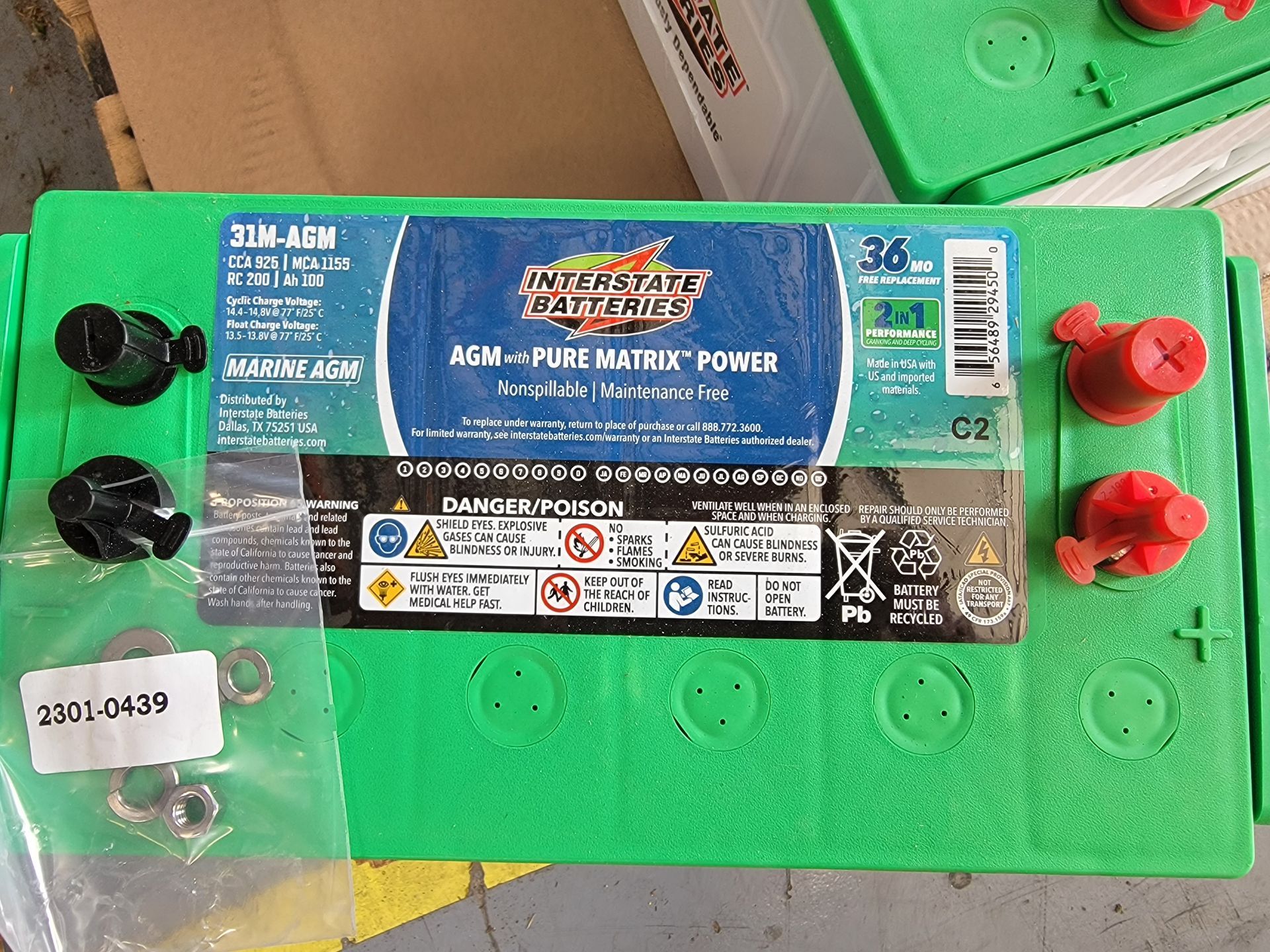
When you search online for battery replacement in Austin, you'll find dozens of options: auto parts stores that install batteries in their parking lots, traditional repair shops that require appointments, national chains with franchise locations, mobile mechanics advertising on Craigslist, and even big-box retailers with automotive service centers. So why should you specifically choose Alpha Roadside Services and Battery for your mobile battery replacement? Because we're not trying to be everything to everyone — we're specialists who focus exclusively on doing mobile battery service better than anyone else in the Austin metro area. We're not a franchise operation where your call gets routed to a national call center that assigns your job to whoever bid lowest on a contractor network. We're an independent, locally-owned Austin company where the person who answers your call actually knows the city, understands the local roads and neighborhoods, and dispatches technicians who are employees of our company, not random subcontractors. We've built our entire business model around one core principle: deliver the fastest, most professional, most honest mobile battery service possible, and treat every customer the way we'd want to be treated if we were stranded with a dead battery ourselves. That philosophy shows up in everything we do, from the equipment we invest in to the training our technicians receive to the batteries we stock to the way we price our services. Here are the specific differentiators that set Alpha Roadside apart from other battery replacement providers operating in the Austin area and explain why we consistently earn five-star reviews from customers throughout Round Rock, Cedar Park, Georgetown, Kyle, Pflugerville, Leander, Manor, and every other community in the metro region:
Before we recommend spending money on a new battery, we perform comprehensive testing of both your existing battery and your vehicle's charging system using the same professional electronic test equipment that dealerships and high-end repair shops use. This isn't a cheap multimeter or handheld tester — it's advanced diagnostic equipment that measures your battery's state of charge, cold cranking amps (CCA), internal resistance, and overall health, then tests your alternator's output voltage and ripple to make sure it's charging correctly. These tests reveal the truth about what's actually wrong with your electrical system. Many times, what seems like a battery problem is actually an alternator that's not charging, a parasitic electrical draw that's draining the battery overnight, or a battery that's simply discharged and will be fine once recharged. We identify the real issue and give you an honest recommendation based on hard data, not guesswork. If your battery tests within acceptable parameters and just needed a charge, we'll tell you that — and you won't be pressured to buy a battery you don't need. Our technicians are paid hourly, not on commission, so they have no financial incentive to sell you parts or services you don't require. We've built our reputation on honesty and transparency, and that means sometimes the best service we can provide is telling you that you don't need our help yet. But when testing shows your battery has lost capacity and can't hold a proper charge anymore — which is usually the case when you call us for a dead battery — we'll explain exactly what the test results mean, why replacement is necessary, and what you can expect from your new Interstate Battery.
One of the most frustrating experiences in auto repair is waiting. You finally get a technician to your location or your vehicle to a shop, they diagnose the problem, and then they tell you they don't have the part you need in stock and it will take one to three business days to order it. You're left either waiting without your vehicle or limping along with an unreliable battery that could leave you stranded again at any moment. Alpha Roadside eliminates that entire frustrating scenario by maintaining a comprehensive, constantly-refreshed inventory of Interstate Batteries covering virtually every vehicle on Austin roads. Our service vans are essentially rolling battery warehouses stocked with dozens of different battery group sizes and types. We carry standard flooded batteries for everyday passenger cars and trucks. We carry enhanced flooded batteries (EFB) and absorbent glass mat (AGM) batteries for modern vehicles with start-stop technology and advanced electronics. We stock heavy-duty batteries for diesel trucks, both in standard and dual-battery configurations. We have batteries specifically designed for European imports like BMW, Mercedes, Audi, Volkswagen, Volvo, and others that often require AGM batteries with specific terminal configurations. We carry motorcycle batteries, RV batteries, marine batteries, powersports batteries for ATVs and side-by-sides, and lawn equipment batteries. When we arrive at your location in Cedar Park, Round Rock, downtown Austin, or anywhere else in the metro area, we can install your new battery immediately in about 95 percent of cases — no second trip, no waiting, no ordering parts. You call, we arrive, we test, we install, you drive away. For the rare specialty applications we don't carry in the van (certain exotic imports, vintage vehicles, or specialized industrial equipment), we can usually source the correct battery within a few hours and return to install it the same day or next morning. But for standard cars, trucks, SUVs, and most other common vehicles, we handle everything in one visit.
The battery itself matters just as much as the service. You can have the fastest, most convenient installation in the world, but if the battery fails six months later, you haven't actually solved your problem — you've just delayed it. That's why Alpha Roadside exclusively installs Interstate Batteries, a brand that's been America's number-one replacement battery for over 65 years and has earned that position through consistent quality, reliability, and industry-leading warranty protection. Every Interstate Battery we install comes with a manufacturer warranty covering defects and premature failure. The specific warranty duration varies by battery type and model — standard flooded batteries typically carry a two to three-year free replacement warranty period, while premium AGM batteries often come with three to four years of coverage. During the free replacement period, if your battery fails due to a manufacturing defect or loses capacity prematurely, Interstate will replace it at no charge for the battery itself. This warranty is honored nationwide at thousands of Interstate authorized dealers, so you're protected even if you move out of Austin or travel frequently. Interstate batteries are also specifically engineered to handle the extreme heat conditions we experience in Central Texas, where summer engine compartment temperatures can exceed 150 degrees Fahrenheit and battery life expectancy is significantly shorter than in cooler climates. Many economy battery brands use thinner lead plates and cheaper materials to hit lower price points, but those corners that get cut show up as premature failures when subjected to Texas heat. Interstate uses thicker plates, advanced separator materials, and heat-resistant case designs that extend battery life in high-temperature environments. This is why professional mechanics, fleet managers, and dealerships overwhelmingly choose Interstate when reliability actually matters — they know from experience that Interstate batteries last longer and come back with warranty issues less often than cheaper alternatives.
When your battery dies and you're stranded, every minute feels like an hour. You're sitting in your disabled vehicle, maybe in a parking lot without shade in July heat, maybe on a dark street at night, maybe blocking traffic or in an unsafe location, watching the clock and wondering when help will arrive. At Alpha Roadside, we've structured our entire operation around minimizing your wait time. We don't have a single centralized location that technicians drive from to reach you. Instead, our service vehicles are strategically positioned throughout the Austin metropolitan area in different zones, so there's always a technician reasonably close to wherever you're calling from. We have techs based in North Austin near the Domain and Lakeline areas, in Round Rock and Georgetown to the north, in Cedar Park and Leander to the northwest, in downtown Austin, in South Austin near the Ben White and Slaughter Lane corridors, in East Austin and Manor and Pflugerville, and in Kyle and Buda to the south. This distributed positioning means we can typically reach most locations within 30 to 45 minutes of your call, even during afternoon rush hour traffic on I-35 or MoPac. When you call (877) 9-ALPHA-9, we immediately locate the closest available technician to your position, provide you with an estimated arrival time, and keep you updated if traffic or other factors cause any delay. Our goal is to get professional help to your location as quickly as humanly possible, because we understand that being stranded is stressful and you want this situation resolved right now, not eventually.
Car batteries contain approximately 18 to 20 pounds of lead and about a gallon of sulfuric acid electrolyte. Both of these materials are classified as hazardous waste under state and federal environmental regulations, and improper disposal of used car batteries is both illegal and harmful to the environment and groundwater. When we replace your battery, we don't just toss your old battery in a dumpster or leave you to figure out where to take it for recycling. We remove it from your vehicle, transport it safely in our service van, and deliver it to Interstate Battery's authorized recycling network where it's processed in full compliance with Texas Commission on Environmental Quality (TCEQ) regulations and EPA guidelines. The lead is smelted and refined to produce new batteries, the plastic case is recycled into new battery cases, and the sulfuric acid is either neutralized or reclaimed and purified. This closed-loop recycling process means that nearly 100 percent of a used car battery's materials are recovered and reused rather than ending up in a landfill. As a customer, you never have to think about this process or worry about proper disposal — it's built into our service and happens automatically when we replace your battery. You get the peace of mind knowing that your old battery is being handled responsibly and legally, and you don't face any personal liability or hassle related to hazardous waste disposal.
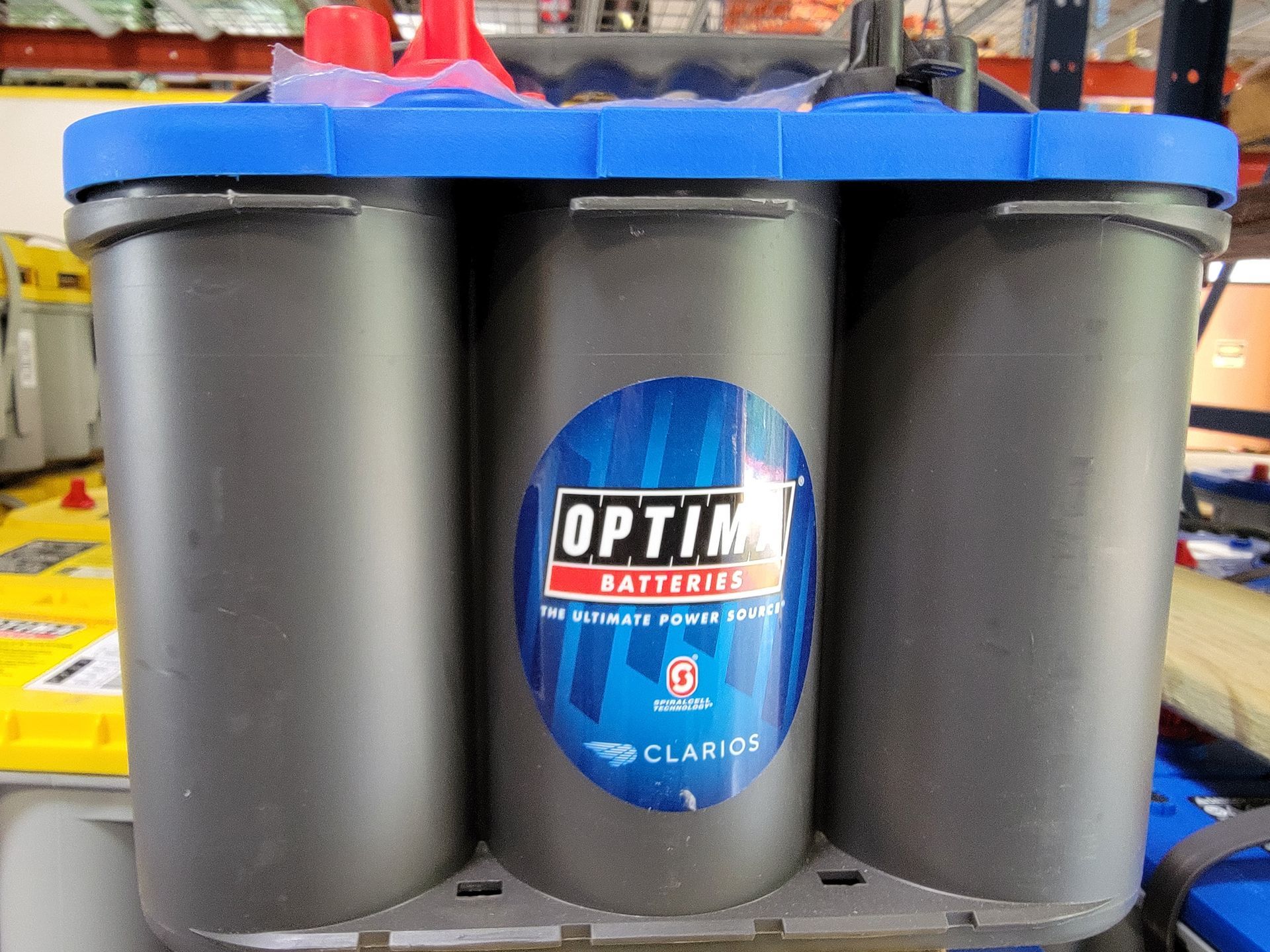
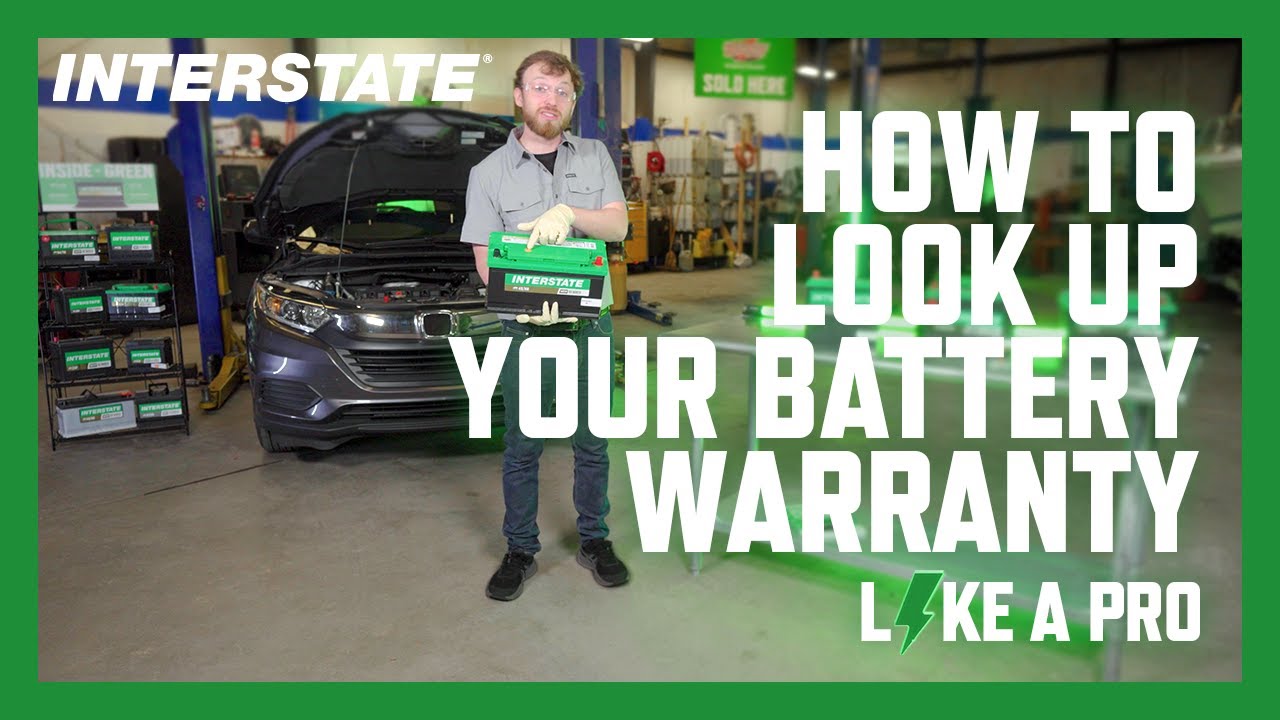
When you invest in a new car battery, you're not just buying a part — you're buying reliability and peace of mind. You're making sure your vehicle will start every morning when you need to get to work, every evening when you're ready to drive home, every time you run errands, and every time you need to go somewhere important. A battery that fails prematurely defeats the entire purpose of replacement and leaves you back where you started: stranded and frustrated. That's why the warranty backing your new battery is just as important as the battery itself. At Alpha Roadside Services and Battery, every Interstate Battery we install comes with a comprehensive manufacturer warranty that protects you against defects and premature failure. The specific warranty terms vary depending on which battery model your vehicle requires. Standard flooded batteries typically carry a two to three-year free replacement warranty, meaning Interstate will replace the battery at no charge for parts if it fails during that coverage period. Premium AGM batteries and heavy-duty models often include three to four years of free replacement coverage. After the free replacement period ends, most Interstate batteries continue to provide prorated warranty coverage, where you receive credit toward a replacement battery based on how much of the total warranty period remains. When we install your battery, we provide you with clear documentation of your specific warranty terms including the exact coverage duration, what's covered, and what you need to do if you ever need to file a warranty claim. We also keep records of your installation in our service database, so you don't have to worry about losing paperwork or receipts — we have your information on file if you need it later. If you do experience a battery failure during the warranty period (which is uncommon with Interstate batteries but can happen due to manufacturing defects or unexpected issues), the warranty claim process is straightforward. Simply call Alpha Roadside at (877) 9-ALPHA-9, let us know you have a battery that's still under warranty, and we'll verify your coverage in our system and with Interstate. If the battery qualifies for warranty replacement, we'll come to your location with a new battery and install it at no charge for the battery itself (normal service call fees may apply). This warranty protection extends beyond just the Austin area — Interstate has authorized dealers throughout North America, so if you move to another state or experience battery issues while traveling, you can get warranty service at any Interstate dealer location. The warranty follows the battery, not the location where it was purchased. This kind of comprehensive, nationwide warranty protection is one of the key reasons why Interstate has maintained its position as America's most trusted replacement battery brand for over six decades. They stand behind their products, and Alpha Roadside stands behind the installations we perform and the batteries we sell.
Here's a scenario that plays out constantly in Austin driveways, parking lots, and garages: you walk out to your car, try to start it, and hear clicking or slow cranking instead of your engine roaring to life. You call a friend or a roadside service for a jump start, they connect jumper cables, and your vehicle starts right up. Problem solved, right? Not necessarily. While a jump start gets you going again in that moment, it doesn't tell you whether your battery is actually still good or whether it's on its last legs and about to leave you stranded again at a much less convenient time and place. Many drivers treat repeated jump starts as normal and don't realize they're warning signs of a failing battery that needs replacement soon. Understanding the difference between a battery that just got discharged and will be fine once recharged versus a battery that has permanently lost capacity and needs replacement can save you from getting stranded repeatedly over the next few weeks or months. Here are the clear, specific indicators that your car battery has reached the end of its useful service life and genuinely needs replacement rather than just another jump start or recharge:
Pay attention to how your engine sounds when you first start your vehicle, especially in the morning after the car has sat overnight or after it's been parked for several hours. Does the starter motor turn the engine over strongly with a fast, confident "rrr-rrr-rrr-vroom" sound that transitions quickly into the engine running? Or does it crank more slowly with a labored, struggling "rur... rur... rur... rur... vroom" sound where each rotation is noticeably slower and the starter seems to be working harder than usual? Slow cranking is often the very first symptom of a battery that's beginning to fail. A healthy battery with full capacity delivers high amperage to your starter motor, allowing it to spin your engine fast enough to achieve proper compression and ignition. As a battery ages and its internal capacity degrades, it can't deliver that same amperage anymore. The voltage may still measure okay on a basic test, but the battery's ability to deliver high current under the heavy load of engine cranking is compromised. This symptom usually appears gradually over a period of weeks or months and gets progressively worse. You might first notice it on particularly cold mornings (even our mild Central Texas winters are harder on batteries than warm weather), then start noticing it at other times too. Eventually, the cranking gets so slow that the engine won't start at all, or the battery is so depleted from struggling to crank that it dies completely before the engine catches. If you're experiencing slow cranking, especially if it's been getting worse over time, your battery is showing clear signs that it's nearing the end of its service life and replacement should be scheduled soon before you're left stranded.
Here's a simple diagnostic test you can perform yourself right now: sit in your parked vehicle with the engine off, turn on your headlights, and observe their brightness. Now start the engine and watch what happens to the headlight brightness. Do the headlights get significantly brighter once the engine is running and the alternator takes over? If so, your battery isn't holding a proper charge. A fully charged, healthy battery should power your headlights at essentially full brightness even with the engine off, because modern headlight bulbs don't require that much current. When you start the engine, your headlights should stay at roughly the same brightness or get only slightly brighter as the alternator maintains voltage. But if your headlights are noticeably dim when the engine is off and then brighten dramatically once the alternator starts charging, that's a clear sign your battery's voltage is sagging under load. The same test works with interior dome lights, dashboard illumination, power windows, and other electrical accessories. If you notice your power windows move slower than usual when the engine is off, or your radio display dims, or your dashboard lights seem weak until you start the engine, your battery is struggling to maintain proper voltage and is likely due for replacement. Many people don't notice these symptoms until they're pointed out, but once you start paying attention, they become obvious indicators of battery health. A battery that tests fine with a simple voltage meter might still fail this real-world brightness test because voltage under load is what actually matters for starting your vehicle.
If you've needed a jump start more than once in the past two to four weeks, your battery is almost certainly failing and needs replacement. A single jump start might be explained by accidentally leaving your headlights on overnight, leaving a door ajar so the dome light stayed on for hours, or having a battery that got deeply discharged for some one-time reason but is otherwise still good. But when you need jump starts repeatedly — maybe you got jumped Tuesday morning, the car started fine Tuesday evening and Wednesday morning, but then needed another jump Thursday evening, and then again on Saturday — that pattern indicates a battery that can no longer hold a charge properly. The battery might accept a charge temporarily when jumped or when your alternator charges it during driving, but then it loses that charge sitting overnight or over a few hours. This is exactly what happens when a battery's internal capacity has degraded to the point where it can't store energy anymore. The chemical reactions inside the battery that store and release electrical energy have been degraded by age, heat, and cycling, and no amount of charging will restore them. At this stage, continuing to jump start repeatedly is just delaying the inevitable replacement and increases your chances of being stranded somewhere really inconvenient like a deserted parking lot late at night or in stop-and-go traffic on I-35 during rush hour. Replace the battery now while you still have some control over when and where it happens, rather than waiting until it dies at the worst possible moment.
Modern vehicles are equipped with sophisticated computer monitoring systems that constantly track the electrical system's performance. One of the warning lights on your dashboard (usually shaped like a battery with a plus sign and minus sign, or the word "BATT") is specifically designed to alert you when the charging system detects a problem. If this battery warning light illuminates while you're driving, it means either your battery isn't accepting a charge properly or your alternator isn't producing sufficient charging voltage. While this warning light can indicate alternator failure or a broken drive belt, a weak or failing battery is actually the most common cause in modern vehicles. When a battery's internal resistance increases due to age and degradation, the alternator has to work much harder to push current into the battery, and the vehicle's computer system interprets this as a charging system fault and illuminates the warning light. If your battery warning light has come on even once while driving (not counting the brief moment it lights up when you first turn the key, which is a bulb check and is normal), you should have both your battery and your charging system tested as soon as possible. The light is your vehicle's way of telling you that something in the electrical system is wrong and needs professional diagnosis. Continuing to drive with the battery warning light on risks being stranded when the battery finally depletes completely or when whatever component is failing gives up entirely. Alpha Roadside can come to your location and perform comprehensive testing of both your battery and your alternator with professional diagnostic equipment to determine which component needs replacement.
Battery manufacturers typically advertise service life expectancies of five to seven years or more, and those estimates are based on testing in moderate climates with average conditions. Unfortunately, Central Texas is anything but a moderate climate or average conditions for car batteries. When your vehicle sits in the sun in an Austin parking lot in July and the engine compartment temperature climbs above 140 degrees Fahrenheit, the chemical reactions inside your battery accelerate dramatically. This heat exposure causes the battery's electrolyte to evaporate faster (even in sealed maintenance-free batteries), accelerates corrosion of the internal lead plates, degrades the separator material between the positive and negative plates, and generally shortens the battery's useful service life by roughly 30 to 50 percent compared to cooler climates. Real-world battery life expectancy in the Austin area is typically only three to five years, with many batteries failing closer to the three to four-year mark. This is just the reality of operating vehicles in extreme heat. You can check your battery's age by looking at the date code stamped or printed on a sticker on the battery case. Interstate Batteries use a straightforward letter-number code where the letter indicates the month (A = January, B = February, etc.) and the number indicates the year (9 = 2019, 0 = 2020, 1 = 2021, and so on). If your battery is approaching the four-year mark and you haven't replaced it yet, you're on borrowed time. This is an excellent time to schedule proactive replacement rather than waiting for the battery to fail at a highly inconvenient moment. Many drivers find it helpful to replace their battery proactively every three to four years as a scheduled maintenance item, just like oil changes, because it eliminates the risk of being stranded and gives you control over when and where the service happens.
Pop your hood and visually inspect your battery and the cable terminals connected to it. Are the battery terminals covered in crusty white, blue, or greenish powder or buildup? Is the battery case itself stained with similar corrosion residue? This corrosion is caused by acid vapor leaking from the battery vents and corroding the metal terminals and surrounding components. While minor corrosion can be cleaned off and isn't necessarily an immediate problem, heavy corrosion — especially if it keeps coming back after being cleaned — indicates a battery that's leaking and approaching failure. The corrosion increases electrical resistance at the terminal connections, which makes it harder for current to flow in and out of the battery and can cause starting problems even if the battery itself has some capacity left. Even more concerning than corrosion is a battery case that appears swollen, bloated, or deformed. The top of a healthy battery case should be flat or slightly raised in the middle where the filler caps or vent is located, but it should never look like it's bulging outward or ballooning. Swelling is caused by excessive internal heat that causes the internal components to expand and warp the plastic case. This happens when a battery is overcharged (from a faulty voltage regulator), subjected to extreme heat for prolonged periods, or has internal short circuits that generate excess heat. A swollen battery is not only likely to fail soon — it's actually dangerous. The swelling indicates that internal pressure has built up, and in severe cases a swollen battery can crack, leak acid, or even rupture if subjected to physical impact or further overheating. If your battery case looks swollen or deformed in any way, replace the battery immediately. Do not continue driving the vehicle or attempting to charge the battery. Similarly, if you see any signs of liquid leaking from the battery case — either clear to brownish liquid at the base of the battery or acid residue staining the battery tray — the battery is physically damaged and needs immediate replacement. Acid leaks can corrode your vehicle's metal components and cause serious damage if not addressed promptly.
Modern vehicles are essentially computers on wheels. Your car or truck contains dozens of electronic control modules managing everything from engine timing and fuel injection to transmission shifting, climate control, infotainment systems, safety features like stability control and ABS, and even power window and seat controls. All of these computer systems require stable voltage to function properly. When a weak battery can't maintain consistent voltage, especially under the varying electrical loads of starting the vehicle, running accessories, and then cruising down the highway, it can cause bizarre electrical behavior that seems completely unrelated to the battery. You might notice your dashboard display flickering or resetting, radio presets mysteriously erasing, the clock resetting itself, warning messages popping up about systems that seem to work fine when you test them, power windows operating sluggishly or requiring multiple presses to respond, seat heaters or ventilation behaving erratically, or even intermittent failures of electronic systems like backup cameras, navigation displays, or phone connectivity. Mechanics sometimes spend hours chasing these kinds of intermittent electrical gremlins, checking wiring, testing sensors, and scanning computer modules for fault codes, only to discover that replacing the battery makes all the weird symptoms disappear. The reason these glitches happen is that computer modules typically require a minimum voltage (usually 11 to 12 volts) to maintain their memory and function reliably. When a weak battery's voltage sags below that threshold, even momentarily, modules can reset, lose their programming, throw false error codes, or behave unpredictably. If you've been experiencing strange electrical problems that don't make sense and don't seem to have a logical pattern, consider the possibility that your battery is the root cause rather than a problem with the specific system that's acting up.
Stick your head under the hood and take a sniff near the battery. Do you smell a distinctive odor like rotten eggs or sulfur? That's hydrogen sulfide gas, which is produced when the electrolyte inside your battery breaks down due to overheating or overcharging. This smell is a warning sign that should never be ignored. Hydrogen sulfide is both toxic to breathe in significant concentrations and potentially flammable, and its presence indicates that your battery is being subjected to conditions that are damaging it — either from a faulty alternator that's overcharging the battery by putting out too much voltage, from extreme underhood heat that's boiling the electrolyte, or from internal shorts within the battery itself that are generating excess heat. In any case, a battery producing a sulfur smell needs immediate professional attention. Call Alpha Roadside to test both the battery and the charging system to identify whether the battery itself has failed, whether the alternator is overcharging, or whether there's another electrical system fault causing the problem. Do not ignore this symptom or continue driving the vehicle without having it checked, because the same conditions that are producing hydrogen sulfide gas are likely to cause the battery to fail completely in the near future, and there's also a small but real risk of battery damage or fire if overcharging continues unchecked.
If you're experiencing any of these symptoms in your vehicle — slow cranking, dimming lights, repeated jump start needs, dashboard warning lights, a battery that's three plus years old, visible corrosion or swelling, electrical system glitches, or sulfur smells — don't gamble on how much longer your battery will last or wait until you're stranded at the worst possible moment. Call Alpha Roadside Services at (877) 9-ALPHA-9 for professional battery testing at your location in Austin, Round Rock, Cedar Park, Georgetown, Kyle, Buda, Leander, Manor, Pflugerville, or anywhere else in the metro area. We'll come to you with diagnostic equipment, test your battery and charging system thoroughly, and give you an honest assessment based on real data, not guesswork. If testing shows your battery still has useful life remaining and just needs a recharge, we'll tell you that and you won't pay for a replacement you don't need. But if testing confirms that your battery has lost capacity and needs replacement to prevent being stranded, we'll install a brand-new Interstate Battery on the spot and have you back on the road within 30 minutes. Either way, you'll drive away with accurate information about your vehicle's electrical system health and confidence that you're not going to be stranded next week.
For most standard passenger cars, trucks, and SUVs, the complete service from arrival to completion typically takes 20 to 30 minutes. Here's how that time breaks down: Our technician arrives at your location and spends about five minutes doing an initial visual inspection of your battery and battery compartment, looking for obvious issues like severe corrosion, swelling, or loose cables. Next we spend about two to three minutes performing electronic battery testing and another two minutes testing the alternator and charging system output while the engine runs. If testing confirms the battery needs replacement, we'll quote you the price, get your approval, and then spend about 10 to 15 minutes on the actual physical installation work. This involves disconnecting the negative cable, disconnecting the positive cable, removing the battery hold-down bracket or clamp (which varies by vehicle), lifting out the old battery, cleaning the battery tray and cable terminals if needed, installing the new Interstate Battery, securing it with the hold-down, reconnecting the positive cable, reconnecting the negative cable, applying terminal protector spray to prevent future corrosion, and testing all electrical systems to confirm everything works properly. After installation is complete, we'll spend another two to three minutes doing a final charging system test with the new battery installed to verify the alternator is charging correctly and there are no other electrical issues that might shorten the life of your new battery. So from arrival to driving away is usually 20 to 30 minutes for straightforward installations. Some vehicles take longer due to their design. European cars that have batteries in the trunk or under the rear seat require extra time to access. Some BMW and Mercedes models require computer reprogramming after battery replacement to reset the charging system parameters. Diesel trucks with dual batteries take longer because we're essentially doing two battery replacements. Large SUVs and trucks with batteries located in awkward positions (like under the windshield cowl or deep in the engine bay) take extra time to reach. We'll give you an accurate time estimate when we arrive based on your specific vehicle's make, model, and battery location. But for a typical Honda Accord, Ford F-150, Toyota Camry, or Chevy Silverado with a battery in a standard underhood location, plan on about 25 minutes total.
We maintain a comprehensive rotating inventory in each service van covering the vast majority of vehicles on Austin roads. Our inventory includes standard flooded batteries in all common group sizes (24, 24F, 35, 51R, 65, 75, 78, etc.), AGM batteries for European imports and vehicles with start-stop systems, heavy-duty batteries for diesel trucks, motorcycle batteries, and specialty batteries for various applications. We stock batteries for domestic vehicles (Ford, Chevrolet, GMC, Dodge, Ram, Jeep, Chrysler), Japanese imports (Toyota, Honda, Nissan, Mazda, Subaru, Mitsubishi), Korean brands (Hyundai, Kia), and European vehicles (BMW, Mercedes, Volkswagen, Audi, Volvo). Based on years of experience serving Austin area customers, we've learned which battery sizes and types are most commonly needed, and we stock those models in quantity. For a typical American sedan or truck, a Honda, Toyota, or Nissan, or a common Hyundai or Kia, we can install your battery immediately in roughly 95 percent of cases. We literally carry the battery you need in the van right now. The exceptions are unusual specialty vehicles, exotic imports, vintage cars with non-standard battery sizes, and certain European luxury vehicles that require specific AGM batteries we might not have on hand at that exact moment. If we happen to arrive at your location and don't have the exact battery your vehicle requires already in the van, we have two options: First, if there's an Interstate Battery distributor or dealer location nearby (and there are several in the Austin area), we can drive there, pick up the correct battery, and return to your location usually within 30 to 60 minutes depending on traffic and distance. Second, if you prefer not to wait, we can schedule a return visit for later the same day or the next morning once we've sourced the correct battery. We'll be upfront about this possibility when you first call — if you tell us you drive a 2008 BMW 535i or a 1965 Mustang or a 2019 Mercedes Sprinter van, we can check our inventory and nearby supply options before dispatching a technician, so you know whether we can complete service immediately or need to make arrangements. But again, for common vehicles that make up the vast majority of what's on the road in Austin, we have your battery in stock and ready to install right now.
When we remove your old battery from your vehicle, we load it into our service van and transport it to an Interstate Battery authorized recycling facility where it will be processed according to all applicable environmental regulations. You have zero responsibility for recycling or disposal — we handle everything as part of the service. Car batteries are classified as hazardous waste under Texas law because they contain approximately 18 to 20 pounds of lead in the internal plates and grids, plus about a gallon of sulfuric acid electrolyte. Improper disposal of a car battery (like throwing it in the trash or leaving it on the side of the road) is illegal and can result in significant fines. It's also terrible for the environment because the lead can leach into groundwater and the acid can contaminate soil. The recycling process for car batteries is actually one of the most successful closed-loop recycling systems in existence. At the recycling facility, batteries are broken down into their component materials. The lead plates and grids are melted down in a furnace, refined, and then used to manufacture new battery components — much of the lead in a new Interstate Battery actually comes from recycled batteries. The plastic battery case is chipped up, washed, and recycled into new battery cases. The sulfuric acid is either neutralized chemically and turned into water safe for disposal, or it's cleaned and reclaimed for use in new batteries. Nearly 100 percent of a car battery's materials can be recovered and reused, making automotive battery recycling one of the highest-recovery-rate recycling processes for any consumer product. As an Alpha Roadside customer, you benefit from this recycling system without having to think about it or do anything yourself. We remove your old battery, recycle it responsibly, and provide you with the peace of mind that comes from knowing hazardous materials were handled correctly and legally. You never have to worry about where to take an old battery or whether you're in compliance with environmental regulations — we take care of all of that as part of our professional service.
Yes, we can replace the 12-volt accessory battery in virtually all hybrid and plug-in hybrid vehicles. Many people don't realize that hybrids like the Toyota Prius, Honda Insight, Ford Escape Hybrid, Hyundai Ioniq, and others have two separate battery systems: a large high-voltage traction battery (usually lithium-ion or nickel-metal-hydride) that powers the electric motor and provides propulsion, and a conventional 12-volt lead-acid battery (similar to what's in a gas-only vehicle) that powers all the computers, lights, accessories, and electronics and also provides the initial power to start the hybrid system. This 12-volt battery in a hybrid vehicle can and does fail just like in any other car — and when it dies, your hybrid won't start even though the big traction battery is fully charged, which confuses many hybrid owners. We carry the correct batteries for most hybrid applications, including the special low-profile compact batteries that fit in the small spaces where hybrid manufacturers install them (often in the trunk or under the rear seat rather than under the hood). We do NOT service the high-voltage traction battery packs in hybrids or the large battery packs in full electric vehicles like Teslas, Nissan Leafs, Chevy Bolts, etc. Those specialized components require dealer service or EV specialists with specific training and equipment. But the 12-volt accessory battery in those vehicles is something we absolutely can replace when needed. For vehicles equipped with start-stop technology (where the engine automatically shuts off at stop lights to save fuel and restarts when you release the brake), those vehicles require either enhanced flooded batteries (EFB) or absorbent glass mat (AGM) batteries specifically designed to handle the increased cycling demands of repeated engine starts and stops. We stock AGM batteries suitable for start-stop applications and can identify the correct battery for your specific vehicle based on its year, make, and model.
Absolutely. Interstate manufactures batteries for virtually every application that requires a lead-acid battery, and Alpha Roadside carries many of these specialty batteries for non-automotive applications. We can replace motorcycle batteries for cruisers, sport bikes, touring bikes, and scooters. We carry RV batteries in both chassis starting configurations (same as truck batteries) and house battery configurations including deep-cycle batteries designed for running onboard electronics and appliances when you're camping. We have marine batteries suitable for boat starting applications and deep-cycle marine batteries for trolling motors and onboard electronics. We stock batteries for lawn tractors, riding mowers, and garden equipment. We carry powersports batteries for ATVs, side-by-sides, UTVs, dirt bikes, and four-wheelers. We even have golf cart batteries (though these require multiple batteries in series and can be a more complex job depending on your golf cart configuration). When you call, just let us know what type of vehicle or equipment needs a battery, along with the year, make, and model if applicable, and we'll verify whether we have the correct battery in stock or can source it quickly. In most cases, we can handle non-automotive battery replacement with the same mobile service convenience as car and truck batteries — we come to where your motorcycle, RV, boat, or equipment is located and perform the replacement on-site. The one exception would be extremely large or heavy specialty batteries that require special handling or equipment to move safely, which we'll discuss upfront if that applies to your situation.
Battery replacement costs vary based on the specific battery your vehicle requires, because different battery types, sizes, and technologies have different manufacturing costs and performance characteristics. As a general range, a standard flooded battery for a typical four-cylinder sedan or compact car typically runs $120 to $180 installed. A battery for a V6 sedan, small SUV, or half-ton pickup truck typically runs $140 to $200 installed. A premium AGM battery for a luxury vehicle, European import, or vehicle with start-stop technology typically runs $200 to $300 installed. Heavy-duty batteries for diesel trucks (especially dual-battery configurations) can range from $250 to $400 or more installed depending on battery size and capacity. Specialty batteries for motorcycles, ATVs, and lawn equipment typically range from $80 to $150 installed. These prices include the Interstate Battery itself, professional installation, testing of your charging system, cleaning of battery terminals and tray, disposal and recycling of your old battery, and the convenience of mobile service at your location — there's no separate service call fee or trip charge added on top of the battery price. Our pricing is competitive with what you'd pay at auto parts stores or independent repair shops, with the major advantage that we come to you rather than requiring you to get your vehicle to a shop or parts store (which may require a tow truck if your battery is completely dead). When you call Alpha Roadside, we'll ask for your vehicle's year, make, and model and provide you with an exact price quote over the phone before dispatching a technician. That quoted price is what you'll pay — no surprises, no hidden fees, no last-minute add-ons. We believe in transparent, honest pricing, and we want you to know exactly what you're paying before you commit to the service. If you decide our price isn't competitive or you want to explore other options, that's fine — the phone quote costs you nothing and there's no obligation. But we're confident that when you compare our pricing plus the convenience of mobile service and the quality of Interstate Batteries, you'll find Alpha Roadside offers the best overall value for battery replacement in the Austin metro area.
Still have questions? Contact us
When your car battery dies and leaves you stranded, you're suddenly faced with several unappealing options. You can call a tow truck to have your vehicle towed to a repair shop or dealership, which costs $75 to $150 just for the tow before you even address the battery problem. Then you wait at the shop for several hours (or drop your vehicle off and come back the next day), pay for the battery and installation, and somehow get back to wherever you left your car to pick it up. Alternatively, you can try to find someone with jumper cables to give you a jump start, hope your vehicle makes it to an auto parts store before the battery dies again, buy a battery at the parts store, borrow or rent their tool loan set, and attempt to install the battery yourself in the parking lot — assuming you're comfortable doing automotive work, know how to safely disconnect and reconnect battery cables in the correct order, and have the time and patience to deal with all of that while your plans are already disrupted. Or you can call Alpha Roadside Services and have us bring the battery and the professional service directly to you, completing everything in one visit while you wait. Here's why mobile battery replacement through Alpha Roadside isn't just more convenient than traditional options — it's also genuinely more cost-effective when you factor in all the direct and hidden costs of the alternatives:
Traditional battery replacement at a shop or dealership consumes half a day or more of your time when you account for the entire process. You have to arrange a tow (30 minutes to two hours waiting for the tow truck to arrive), ride along in the tow truck to the shop or arrange alternate transportation, wait at the shop for the service to be completed or leave your vehicle and arrange a ride back home or to work, and then later arrange transportation back to the shop to pick up your vehicle once the battery is replaced. Even if the actual battery replacement only takes the technician 20 minutes, you've spent three to five hours of your time on various transportation logistics and waiting. With Alpha Roadside mobile service, you call us, we arrive typically within 30 to 45 minutes, we complete the battery testing and replacement in another 20 to 30 minutes, and you drive away. Total time from making the phone call to driving away is usually 60 to 75 minutes. You can stay at your home, remain at your workplace, sit in a coffee shop, or wait wherever is most convenient for you. You don't lose half a day to car trouble. You don't have to rearrange meetings, cancel appointments, or explain to your boss why you're late to work. The time savings alone justifies mobile service even if the cost were higher — but the cost usually isn't higher, and in many cases it's actually less expensive than the traditional shop approach once you factor in towing fees.
If your battery is completely dead and won't accept a jump start (which is often the case when batteries fail), you need a tow truck to get your vehicle to a repair shop or dealership. Towing within the Austin metro area typically costs $75 to $100 for short distances and can easily reach $125 to $150 for longer distances like from downtown Austin to a shop in Round Rock or Cedar Park. That's just the tow — the actual battery and installation cost at the shop is a separate charge on top of the tow. So the total cost for traditional shop replacement is tow fee plus battery plus installation labor. With mobile battery service from Alpha Roadside, you pay one all-inclusive price that covers the battery, professional installation, testing, and the mobile service itself — no tow truck required. In most cases, our total price for mobile service is comparable to or even less than what you'd pay for the battery plus installation labor at a shop, which means you're essentially getting free mobile service compared to paying for a tow. Even if our price were slightly higher, eliminating the tow truck saves enough money to more than offset any small price difference. And you save massive amounts of time and hassle as well. For many customers, this is the single biggest advantage of mobile battery service — you completely avoid the cost and inconvenience of towing.
It doesn't matter whether your battery died in downtown Austin near the Capitol, in a suburb like Round Rock or Cedar Park, in a smaller surrounding community like Georgetown, Leander, Kyle, Buda, Manor, or Pflugerville, in a rural area outside the main metro core, in a residential neighborhood, in a commercial parking lot, at your workplace, in an apartment complex parking garage, or even on the side of a highway — we'll come to wherever you are. Our service vehicles cover the entire Austin metropolitan region, and we can reach most locations within 30 to 45 minutes. Traditional shops and dealerships are fixed locations that you have to bring your vehicle to, which requires either driving there (not possible if your battery is dead) or paying for towing. Mobile service brings the shop to you instead of requiring you to come to the shop, which is far more convenient when you're dealing with a disabled vehicle.
If you take your vehicle to a franchised dealership for battery replacement, you can expect to pay premium prices — sometimes $300 to $450 for a service that should cost $150 to $200 at an independent shop or with mobile service. Dealerships justify these high prices by pointing to their specialized training and equipment, but the reality is that battery replacement is a straightforward service that doesn't require dealer-specific tools or proprietary knowledge for most vehicles. You're paying a significant markup for the dealer brand name and for the overhead costs of their large facility and administrative staff. Alpha Roadside provides the same quality Interstate Batteries, the same professional-grade diagnostic testing, and the same expert installation at prices that are consistently competitive with independent repair shops and auto parts stores — usually 30 to 50 percent less than what dealers charge. You get honest, transparent pricing without the dealership markup, combined with the convenience of mobile service that brings everything to your location.
When you handle battery replacement yourself at an auto parts store or through a friend's help, you're responsible for multiple steps: figuring out what battery you need, getting to the parts store, buying the battery, installing it correctly (including disconnecting cables in the proper order to avoid electrical system damage), testing the charging system to make sure the alternator isn't the real problem, properly disposing of the old battery at a recycling center, and dealing with any complications that arise. If you're not mechanically inclined, any of these steps can be challenging or intimidating. With mobile service from Alpha Roadside, we handle absolutely everything. You make one phone call, we arrive, we diagnose the problem, we recommend the correct solution, we install the battery, we test the charging system, we clean the terminals, we recycle your old battery, and we make sure everything is working correctly before we leave. It's a complete, professional service that requires zero effort or mechanical knowledge on your part. You're not left trying to figure out battery group sizes, wondering if you disconnected cables in the wrong order and damaged something, or trying to find a place that accepts used batteries for recycling. We handle all of that as part of the service you're paying for.
When you're investing in a new car battery, the brand and quality matter just as much as the service that installs it. Alpha Roadside Services is a proud authorized Interstate Batteries dealer, and we exclusively install Interstate brand batteries for a very specific reason: they're engineered to perform reliably in the extreme heat conditions we experience in Central Texas, and they have a proven track record of longevity that economy battery brands simply cannot match. Here's what makes Interstate Batteries the objectively correct choice for your vehicle if you live and drive in the Austin area:
Most battery manufacturers design their products to meet minimum industry standards in laboratory test conditions that simulate average climate conditions across the entire United States. That approach produces batteries that work acceptably in mild climates but fail prematurely in temperature extremes. Interstate takes a different approach: they design batteries specifically for the extremes — both the bitter cold of Northern states and the scorching heat of the South and Southwest. For Texas customers, this means Interstate batteries are built with design features that specifically address the challenges of high heat: thicker lead plates that resist corrosion longer when subjected to accelerated chemical reactions at high temperatures, advanced separator materials between the positive and negative plates that maintain structural integrity even when hot, heat-resistant polypropylene case plastic that won't warp or become brittle after years of exposure to high underhood temperatures, and electrolyte formulations that resist evaporation and maintain proper acid concentration in hot environments. These aren't just marketing claims — they're measurable design differences that show up in Interstate's warranty claim rates compared to economy brands. Interstate consistently has lower warranty failure rates in hot climates, which is why professional mechanics and fleet managers throughout Texas overwhelmingly choose Interstate when they need batteries they can count on.
Interstate Batteries backs their products with some of the strongest warranty coverage in the automotive battery industry. Depending on the specific battery model your vehicle requires, you'll receive anywhere from two to four years of free replacement warranty coverage. During the free replacement period, if your battery fails due to a manufacturing defect or loses capacity prematurely, Interstate will replace it at no charge for the battery itself. After the free replacement period ends, Interstate batteries continue to provide prorated warranty coverage where you receive credit toward a new battery based on how much warranty time remains. This warranty protection is honored nationwide at thousands of Interstate dealers, so even if you move out of state or your vehicle breaks down while traveling, you're covered wherever you are. Contrast this with economy batteries from discount retailers or no-name brands that either provide minimal warranty coverage (often only 90 days to one year of free replacement) or that have warranty terms filled with exclusions and limitations that make it nearly impossible to actually file a successful claim. Interstate's warranty is straightforward, clearly written, and actually pays out when legitimate failures occur. We stand behind every Interstate Battery we install, and Interstate stands behind us as their authorized dealer. That's the kind of backing you want when you're making an investment in your vehicle's reliability.
Interstate Batteries are manufactured at facilities located in the United States under quality control standards that meet or exceed all BCI (Battery Council International) specifications and industry requirements. Every battery that leaves an Interstate manufacturing facility has been tested to verify it meets performance specifications. You're not buying a battery that was manufactured to the lowest possible cost at a factory overseas where quality control is inconsistent and corners get cut to maximize profit margins. You're buying an American-made product that's built to perform reliably for years under real-world conditions. This commitment to domestic manufacturing and quality control is part of why Interstate has maintained its position as America's number-one replacement battery brand for over 65 consecutive years — they've earned and kept customer trust through consistent product quality rather than just through marketing and advertising.
Walk into any professional repair shop, dealership service department, fleet maintenance facility, or mobile mechanic operation anywhere in Texas, and you'll see Interstate Batteries. These aren't retail consumers making one-time purchases — these are professionals whose businesses and livelihoods depend on installing batteries that won't fail prematurely and generate costly warranty callbacks. Professional mechanics choose Interstate because they've learned through experience that Interstate batteries last longer, cause fewer problems, and have lower failure rates than the discount brands sold at big-box retailers and economy-focused parts stores. When your own money and reputation are on the line and you can't afford to have batteries failing under warranty and generating angry customer callbacks, you don't use the cheapest battery you can find — you use Interstate. Alpha Roadside operates under that exact same philosophy: we're professional technicians who stake our reputation on every battery we install, and we choose Interstate because we know from experience that they're the most reliable option available in the market.
Interstate manufactures batteries for virtually every automotive, marine, powersports, and industrial application that requires a lead-acid battery. This means we can match your vehicle with the exact battery type it actually needs rather than forcing you to accept a compromise. Standard flooded batteries for everyday vehicles with basic electrical systems. Enhanced flooded batteries (EFB) for vehicles with increased electrical demands. Absorbent glass mat (AGM) batteries for luxury vehicles, European imports, and vehicles equipped with start-stop technology that shuts the engine off at stop lights. High-performance batteries for sports cars and high-end vehicles with sophisticated electronics. Heavy-duty commercial batteries for work trucks and fleet vehicles. Deep-cycle batteries for RVs and marine applications. Powersports batteries for motorcycles, ATVs, and side-by-sides. Whatever your vehicle or equipment requires, Interstate makes a battery specifically engineered for that application with the correct performance characteristics, physical size, and terminal configuration. You're not settling for a close-enough substitute that kind-of-works — you're getting the right battery designed specifically for your needs.
Once we've installed your new Interstate Battery and gotten you back on the road, you naturally want to get the maximum possible service life from that investment. Understanding what factors contribute to premature battery failure can help you take steps to protect your new battery and potentially extend its life beyond the typical three to five-year expectancy in Central Texas. While some battery killers (like extreme heat) are largely unavoidable in Austin's climate, others can be managed with awareness and simple preventive measures. Here are the most common factors that shorten battery life in the Austin area, along with practical recommendations for extending your new battery's lifespan:
This is far and away the number-one killer of car batteries in Central Texas, and it's largely unavoidable because we simply cannot control the weather. When the ambient air temperature reaches 95 to 105 degrees Fahrenheit during June through September (which happens routinely in Austin), the temperature inside your engine compartment climbs much higher — often reaching 140 to 160 degrees or more when the vehicle is parked in direct sunlight. This extreme heat accelerates all of the chemical reactions happening inside your battery. Normally slow processes like internal plate corrosion, electrolyte degradation, and separator material breakdown happen much faster at high temperatures. Heat also increases the rate of water evaporation from the electrolyte (even in sealed maintenance-free batteries that don't have removable caps, some water vapor escapes through the vent), which gradually reduces the electrolyte level and exposes the top portions of the internal plates to air, causing them to corrode. While you cannot prevent summer heat in Austin, you can take steps to minimize your battery's exposure: Park in the shade whenever possible, especially during peak heat hours from 11 AM to 5 PM. Even a parking spot under a tree provides meaningful heat protection compared to direct sun. If you have a garage, use it — your vehicle will be 15 to 20 degrees cooler in a garage than sitting in the driveway or street. If your workplace offers covered parking, take advantage of it. These simple parking choices can add months or even a full year to your battery's service life by reducing cumulative heat exposure over time.
Car batteries recharge through your vehicle's alternator while the engine runs. Every time you start your vehicle, the starter motor draws a significant amount of current from the battery — often 100 to 300 amps for just a few seconds. The alternator then needs 15 to 30 minutes of driving to fully replenish that starting discharge and restore the battery to full charge. If you primarily make short trips of 10 minutes or less — driving from home to the grocery store, dropping kids at school, running quick errands around your neighborhood — the alternator doesn't have enough time to fully recharge the battery after each start. Over weeks and months, this pattern of frequent starts without adequate recharge time gradually depletes the battery's state of charge. The battery tries to compensate by working harder during each discharge cycle, which accelerates plate degradation and shortens lifespan. If your typical driving pattern involves mostly short trips (which is common in Austin's spread-out suburban communities where everything is 5 to 15 minutes away), try to take a longer drive of 20 to 30 minutes at least once a week. Drive out to somewhere farther away, run errands in a different part of town, take the scenic route home occasionally, or just go for a drive specifically to charge your battery. That extended drive time allows your alternator to fully replenish your battery and helps extend its life. For vehicles that sit unused for extended periods (vacation cars, classic cars, vehicles that only get driven on weekends), consider using a battery maintainer (sometimes called a trickle charger) that plugs into a wall outlet and keeps your battery at full charge while the vehicle sits idle.
Modern vehicles have computer modules, alarm systems, clocks, radio presets, and various electronics that continue to draw small amounts of current from the battery even when the vehicle is off and parked. This is called parasitic draw, and it's normal and expected in modern vehicles — typically 25 to 50 milliamps (0.025 to 0.050 amps) is considered acceptable. The battery is designed to handle this small constant drain and still retain enough charge to start the vehicle after sitting for weeks. However, problems arise when parasitic draw is higher than normal due to aftermarket accessories that were installed incorrectly, failing electronic components that don't shut off properly, or wiring faults that create unintended electrical paths. Common culprits include aftermarket stereo systems and amplifiers that continue drawing power when they should be off, alarm systems with excessive standby current draw, GPS tracking devices, dashcams hardwired to constant power rather than switched power, interior lights that don't turn off due to faulty door switches, trunk or glovebox lights with stuck switches, and failing modules like body control computers that don't enter sleep mode properly. If your battery consistently dies after your vehicle sits for just a few days (rather than weeks), you likely have an abnormal parasitic draw that needs diagnosis. Any professional automotive technician can measure parasitic draw with an ammeter by disconnecting one battery cable and inserting the meter in series with the circuit. If parasitic draw exceeds 50 milliamps, there's a problem that needs to be identified and corrected. Don't just keep replacing batteries — fix the underlying electrical issue that's draining them.
The connection between your battery terminals and your battery cables needs to be both mechanically tight and electrically clean for the charging and starting systems to work correctly. Corrosion buildup on battery terminals (that white, blue, or green crusty material you sometimes see) increases electrical resistance at the connection point. This resistance prevents the alternator from delivering full charging current to the battery, which means your battery never quite reaches 100 percent charge even after extended driving. It also causes voltage drop during starting, which puts additional stress on both the battery and the starter motor. Loose cable connections create similar problems and can cause intermittent electrical issues or even arcing that damages the terminal. When we install your new Interstate Battery, we clean both the battery terminals and the cable terminal clamps thoroughly to ensure good metal-to-metal contact, and we tighten the connections to proper torque specifications. To maintain those connections, inspect your battery terminals every three to six months and look for any corrosion buildup. If you see corrosion starting, clean it off promptly before it gets worse. You can use a wire brush or battery terminal cleaning brush (available at any auto parts store for a few dollars), or you can make a paste of baking soda and water, apply it to the corroded areas, let it fizz and neutralize the acid for a few minutes, then scrub with an old toothbrush and rinse with water. After cleaning, you can apply terminal protector spray or a light coating of petroleum jelly or dielectric grease to the terminals to help prevent future corrosion. This simple maintenance takes five minutes every few months and can significantly extend your battery's life by ensuring it always gets fully charged and doesn't experience excessive voltage drop during starting.
Your battery cannot stay charged if your alternator isn't working correctly. The alternator is responsible for replenishing the battery after starting, powering all your vehicle's electrical systems while driving, and maintaining proper voltage in the electrical system. If your alternator is failing and undercharging (putting out less than the proper 13.5 to 14.5 volts), your battery will slowly discharge over time even if you're driving regularly. Eventually it won't have enough charge left to start the engine. If your alternator or its voltage regulator is overcharging (putting out more than 15 volts consistently), it will boil off the electrolyte inside your battery, warp and damage the internal plates, and cause premature battery failure — sometimes in just a few months. This is why we always test your charging system output voltage when we replace your battery. We want to make sure your new Interstate Battery isn't being subjected to the same charging system problem that may have contributed to your old battery's premature failure. If our test reveals charging system issues, we'll inform you and recommend repairs before the problem damages your new battery. Even with a new battery, if you notice symptoms of charging system problems — your battery warning light illuminating while driving, dimming or flickering headlights while driving, electrical accessories behaving erratically, or needing jump starts shortly after having a new battery installed — have your alternator and voltage regulator tested immediately. Continuing to drive with a faulty charging system will damage your battery and possibly leave you stranded.
Even with perfect maintenance, ideal parking conditions, regular driving, clean connections, and a perfectly functioning charging system, every lead-acid battery eventually reaches the end of its useful service life through normal chemical aging processes. The lead plates inside the battery gradually corrode over time through repeated charge and discharge cycles. The active material on the plate surfaces degrades and can shed off or harden. The separator material between the positive and negative plates slowly deteriorates. The sulfuric acid electrolyte gradually becomes contaminated with dissolved lead and other byproducts of the chemical reactions. All of these aging processes are inevitable and irreversible — you cannot restore an old battery to like-new condition no matter what maintenance procedures you follow or what additives you pour into it. In moderate climates, a high-quality battery might last 6 to 8 years before these aging processes degrade capacity enough to cause starting problems. In Austin's extreme heat, expect 3 to 5 years from even the best battery. Knowing this expected service life helps you plan proactively for replacement. When your Interstate Battery approaches the 3.5 to 4-year mark, start planning for replacement even if you haven't experienced any symptoms yet. Proactive replacement on your schedule is far less disruptive and stressful than reactive replacement when the battery leaves you stranded at an inconvenient time and place. Many of our Austin-area customers treat battery replacement as scheduled preventive maintenance similar to timing belt replacement or brake pad replacement — they replace batteries every three to four years regardless of symptoms, which gives them peace of mind and ensures they're never stranded with a dead battery.
Authorized Interstate Batteries Dealer Proudly Serving Austin Metro Communities Since Day One